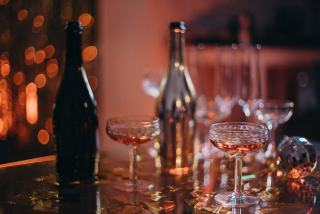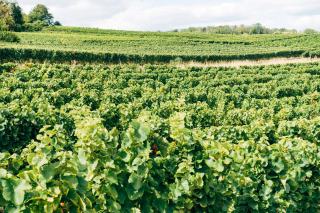
Non vintage champagne is a sparkling wine blended from several harvests so that each bottle of a champagne house tastes like the last. NV on the label promises a house style, not a vintage year: pinot noir, chardonnay, meunier and reserve wines are blended into a brut that stays the same from one release to the next. The same NV logic covers rosé champagne, blanc de blancs and prestige cuvées such as Krug Grande Cuvée, while a vintage champagne shows one year.
Contents
- What non vintage champagne actually is
- How a non vintage blend is made
- Non vintage or vintage: the real difference
- What the NV label promises, and what it does not
- The main styles of non vintage champagne
- Well-known non vintage cuvées and their house style
- How to choose and drink a non vintage champagne
- Common questions about NV champagne
What non vintage champagne actually is
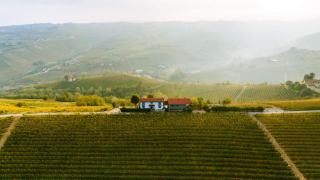
Most sparkling wine from the Champagne region, from Moët & Chandon to Veuve Clicquot and Charles Heidsieck, carries no year on the label. That absence is the whole definition: a non vintage champagne, often written NV, is made from a base wine of the most recent harvest blended with older still wines kept in the cellar, the reserve wines. The appellation rules do not require any specific share of each year, so the chef de cave is free to correct a cold, acidic harvest with richer wine from a warmer one, or to freshen a ripe year with sharper wine kept from a cooler season.
This is what sets the category apart from other sparkling wines of France. A crémant from Burgundy or Alsace, a Spanish cava or an Italian prosecco can be fine sparkling wine, but none of them faces the same pressure to taste identical every year. In Champagne the brut NV is the official calling card of each producer, and most sparkling champagne sold around the world is non vintage.
The result is a wine judged on its house style rather than on its weather. When you buy a bottle of Moët & Chandon Brut Impérial, Veuve Clicquot Yellow Label or Taittinger Brut Réserve, you expect the same taste you remember, and the blenders work every spring to deliver exactly that. In the trade, the NV brut is the signature of a champagne house: it is the bottle most people drink, the one restaurants pour by the glass, and the one critics use to judge whether a producer is consistent.
A few producers prefer the term multi-vintage, or MV, because "non vintage" sounds like a lesser wine. Krug numbers each Grande Cuvée by its édition, and Laurent-Perrier, Lanson and Jacquesson print a number or a base year on their blends. These are still non vintage champagne in the legal sense; they simply tell you more about what is inside the bottle.
How a non vintage blend is made
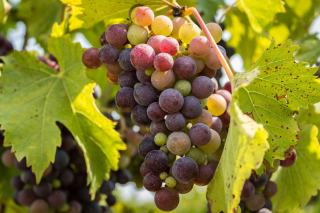
Every NV champagne starts in the autumn with dozens, sometimes hundreds, of still white wines, each kept separate by grape, village and plot. In the first months of the year the cellar team tastes them all and builds the assemblage. Three grape varieties dominate: pinot noir brings body and red fruit, chardonnay brings freshness, citrus and finesse, and pinot meunier brings round, early fruit that drinks well young. The proportions of each grape define much of the house style, which is why the balance between pinot noir, chardonnay and meunier matters as much as the year.
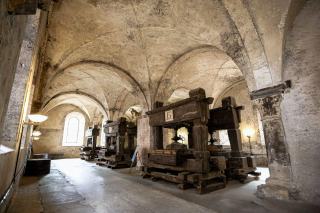
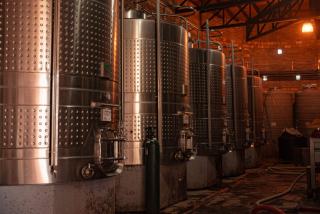
Reserve wines are then added, in a share that varies widely from one champagne house to another. Some houses keep them in stainless steel tanks, some in large oak casks, and some, like Louis Roederer for its Collection cuvée or Bollinger with its magnums of reserve wine, maintain a perpetual or long-aged reserve. Charles Heidsieck says its Brut Réserve contains a large share of reserve wines, close to 40 percent, with an average age of around ten years; this is what gives that wine its toasty, rich character.
Once the blend is fixed, the wine is bottled with sugar and yeast for the second fermentation that creates the bubbles, the traditional method also called the méthode champenoise. The rules require at least 15 months in the cellar before release for a non vintage champagne, of which 12 months on the lees. Many good houses go well beyond this minimum, two to three years being common for a quality brut, because extra age on the lees adds texture and brioche aromas.
Non vintage or vintage: the real difference
A vintage champagne comes entirely from one harvest, declared by the house only in years it judges good enough, and it must age at least three years before release. Vintage wines show the character of a year; non vintage wines hide it on purpose. Neither is automatically better: the vintage bottle offers a snapshot, the NV a consistent style built to drink now.
| Point | Non vintage (NV) | Vintage |
|---|---|---|
| Harvests in the bottle | Several, with reserve wines | One single year |
| Minimum age before release | 15 months, 12 on lees | 3 years |
| Goal of the blend | Same house style every year | Express the character of the year |
| Made every year | Yes | Only in declared years |
| Best time to drink | Within a few years of purchase | Often improves with cellar age |
| Relative budget | Entry point of the range | Higher in the range |
If you want the snapshot rather than the style, the guide to declared years worth drinking explains which harvests are worth seeking out and how long those bottles last.
What the NV label promises, and what it does not
Read on its own, NV promises three things. First, the wine meets the Champagne appellation rules: grapes from the delimited region, second fermentation in the bottle, minimum time on the lees. Second, the producer intends a recognisable style. Third, the wine is ready to drink when sold, with no need for years of cellar age.
It does not promise a precise age, a quality level or a share of reserve wines. Two bottles of the same NV brut bought a year apart can come from different base years, and an older bottle on a shop shelf may have spent months under bright lights. This is why back labels matter: more houses now print a disgorgement date, a base year or the dosage in grams of sugar per litre. The method for reading the codes on a champagne label shows where to find these details, including the small letters that reveal whether the bottle comes from a grower or a négociant.
The word brut next to NV adds one more promise: the dosage, the sugar added after disgorgement, stays below 12 grams per litre. Extra brut goes below 6 grams, brut nature below 3. The style of the wine changes a lot within those limits, so it helps to know how dosage levels from brut nature to doux shape what you taste.
The main styles of non vintage champagne
The NV brut is the classic, but the category also covers several distinct wines:
- Brut NV: the house blend, usually all three grapes, fresh and versatile, the reference for any champagne house.
- Extra brut and brut nature NV: little or no sugar, sharper and more mineral, a style favoured by many grower champagne producers.
- Blanc de blancs NV: chardonnay only, light and citrus-driven, often from the Côte des Blancs grand cru villages.
- Blanc de noirs NV: pinot noir and meunier only, white wine with more body and red fruit.
- Rosé NV: made by blending a little red wine into the white base, or by short skin contact; rosé champagne is almost always non vintage.
- Demi-sec NV: sweeter, made for dessert, a style that has become rare.
Prestige houses also release non vintage cuvées at the top of their range. Krug Grande Cuvée is the best-known example, and Laurent-Perrier Grand Siècle is a blend of three vintages. These show that a non vintage blend can be as ambitious as any vintage wine.
Well-known non vintage cuvées and their house style
Each large house builds its brut NV around a recognisable idea, and comparing them is the quickest way to find your own taste in champagne:
- Moët & Chandon Brut Impérial: the most widely sold, fruit-forward with a significant share of meunier.
- Veuve Clicquot Yellow Label: pinot noir-led, rich and structured, the yellow label recognisable on any shelf.
- Bollinger Special Cuvée: majority pinot noir, partly fermented in oak, with reserve wines aged in magnum; a powerful, toasty style.
- Charles Heidsieck Brut Réserve: generous, nutty and creamy thanks to its long-aged reserve wines.
- Louis Roederer Collection: built on a perpetual reserve, a fresh and precise brut.
- Pol Roger Brut Réserve: balanced, with equal thirds of the three grapes.
- Billecart-Salmon Brut Réserve: delicate and fresh, from a house also known for its rosé.
- Taittinger Brut Réserve: chardonnay-rich, light and elegant.
- Perrier-Jouët Grand Brut and Laurent-Perrier La Cuvée: floral, fresh, chardonnay-led blends with white flowers on the nose.
- Ruinart Blanc de Blancs: the oldest established house in Reims, a chardonnay-only NV with lemon and white flowers.
- Piper-Heidsieck Brut and Canard-Duchêne Authentic Brut: fruity, affordable sparkling champagne, often the most accessible bottles of a big name.
Behind the big names, grower producers sell their own NV from a handful of villages. Egly-Ouriet in Ambonnay, for instance, is admired for complex pinot noir blends that each winemaker of the region knows well. Their blends contain fewer reserve wines and tend to show more of the place, so the bottle changes more from year to year.
How to choose and drink a non vintage champagne
Choosing an NV champagne comes down to flavour profile rather than year. A tasting of two or three bottles side by side teaches more than any rating: notice the acidity, the bubbles, the fruit and whether the finish feels balanced or complex. If you like freshness, lemon and white flowers, look for chardonnay-led blends or a blanc de blancs. If you prefer body, red fruit and a richer finish, look for a pinot noir-dominant brut such as Bollinger or Veuve Clicquot. If you dislike sweetness, an extra brut is the safer choice. Reading the back label for the disgorgement date helps you pick a fresh bottle: most non vintage champagne is best within two or three years of disgorgement, though wines rich in reserve wines can age gracefully a few years longer.
Serve the wine cold, around 8 to 10 °C, in a tulip glass or a white wine glass rather than a narrow flute, which hides the aromas. A brut NV is the most versatile sparkling wine at the table: the pairing works as an aperitif, with seafood, fried food and salty cheeses, and in cocktails. Its fine bubbles and lively acidity cut through fat better than most still wines, which makes it an easy French pairing for a whole meal. Keep a vintage or a prestige cuvée for the moments when you want to taste a specific year; drink the NV whenever the occasion calls for a reliable bottle.
Common questions about NV champagne
Is non vintage champagne lower quality than vintage?
No. Non vintage champagne is a different style, built for consistency. Many experts judge a champagne house first on its NV brut, because it is the hardest wine to keep identical every year.
How long does a non vintage champagne age?
The appellation requires at least 15 months in the cellar, including 12 months on the lees, before release. Many houses age their brut NV two to three years or more.
Can you keep a bottle of NV champagne in the cellar?
Yes, for a few years in a cool, dark place. Most NV is made to drink young; blends with a large share of reserve wines develop toasty, honeyed aromas with some extra bottle age.
Why do some labels say MV or show a number?
MV means multi-vintage. Houses such as Krug, Lanson or Jacquesson number their blends so you know which base year and which reserve wines are in the bottle.