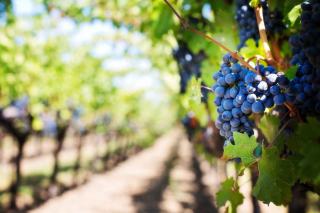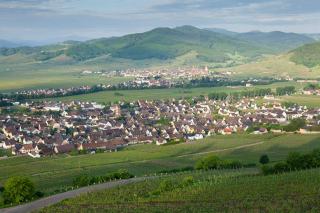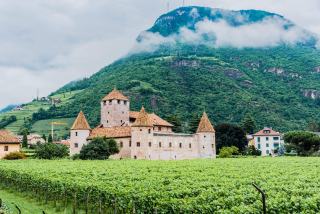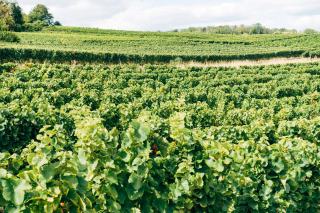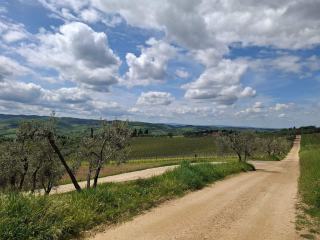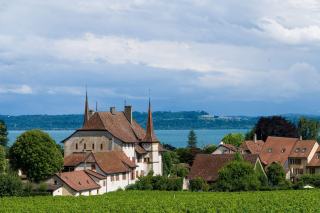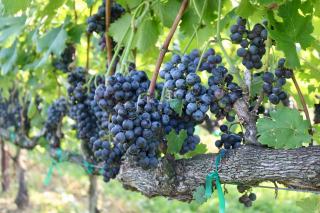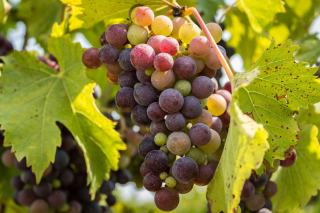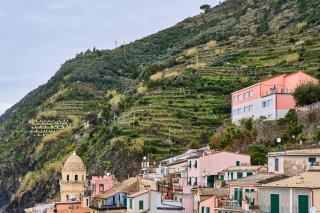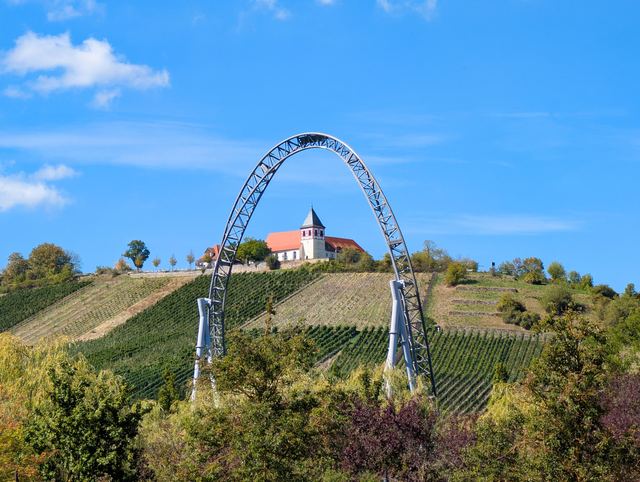
Choosing between Reims or Épernay matters less than it seems: the two towns of the champagne region of France sit about 27 km apart, so a single weekend can enjoy both: Reims for its cathedral, historic champagne houses and city life, Epernay for the Avenue de Champagne, vineyard walks and grower tasting rooms.
Contents
- Reims or Épernay: the short answer for a two-day trip
- What Reims offers a champagne lover
- What Épernay offers: the Avenue de Champagne and the vineyards
- How the two towns compare side by side
- Getting there and moving between Reims and Épernay
- Which base suits which traveller
- A sample two-day champagne itinerary
- Planning tips that make the weekend smoother
- Reims and Épernay weekend logistics, answered
Reims or Épernay: the short answer for a two-day trip
For most visitors planning a first champagne weekend, the honest answer is to sleep in one town and visit the other on a day trip, because the two are close enough to combine and different enough to deserve both. Reims suits travellers who want restaurants, a cathedral, museums and an evening walk in a real city, with several of the big champagne houses a short taxi or tram ride away. Épernay suits travellers who want to wake up among the champagne vineyards, walk to their tastings, and reach the villages of the Montagne de Reims, the Vallée de la Marne and the Côte des Blancs in a few minutes by car or bike.
If your time is short and you arrive by train from Paris, Reims is the easier base: the high-speed line from Paris Est makes it the fastest point of entry into the champagne region, and the city works perfectly well without a car. If your idea of a weekend is vineyard paths, small producers and a glass of champagne on a terrace facing the slopes, Épernay is the better place to stay, and Reims becomes the half-day excursion for the cathedral and a couple of cellars.
The rest of this guide walks through what each town actually offers, how to move between them, and which kind of traveller tends to enjoy which base, so you can decide before you book a hotel rather than after. Whichever you pick, the experience of tasting bubbly where it is made, a few metres from the vineyard that grew it, is what makes the trip feel different from opening a bottle at home.
What Reims offers a champagne lover
Reims is the largest city of the Champagne wine region and the one with the deepest history. Reims Cathedral, where the French kings were crowned for centuries, dominates the centre, and it is listed as a UNESCO World Heritage site together with the former Abbey of Saint-Remi and the Palace of Tau. Even visitors who come only for the wine tend to spend an hour inside: the stained glass, including windows by Marc Chagall, and the scale of the façade explain why the city has been a pilgrimage stop long before champagne tourism existed.
Under the city, the champagne houses dug their cellars into chalk, and many of them reuse Gallo-Roman quarries known as crayères. These chalk galleries on the Saint-Nicaise hill are part of the UNESCO World Heritage listing granted in 2015 to the Champagne hillsides, houses and cellars: the World Heritage Committee took that decision unanimously on 4 July 2015, at its session in Bonn, and the hill is the Reims component of the property, alongside historic slopes and the Épernay avenue. A champagne tasting in Reims therefore often means a descent of dozens of metres into cool tunnels before the glass comes out.
The houses most visitors book in Reims
The best known names with visits open to the public include Veuve Clicquot, Champagne Pommery with its vast cellars and art installations, Ruinart, which presents itself as the oldest established champagne house, Taittinger, Mumm and Lanson. Each house sets its own tour formats and opening days, and the popular slots fill early on weekends, so the practical advice is to check availability on the official house website and reserve before you travel. Some prestigious houses do not receive the public at all, and no amount of planning changes that.
Reims also has a good restaurant scene, from brasseries around the Place Drouet d'Erlon to gastronomic tables, plus wine bars where you can taste bottles from small growers you will not meet on the house circuit. For an evening out after a day of cellars, the city simply has more choice than Épernay, and the food is a reason to stay in its own right. Just south of the city, the vineyard village of Rilly-la-Montagne, located on the northern slope of the Montagne de Reims, makes a lovely short excursion, and its station sits on the same rail line that continues to Epernay.
What Épernay offers: the Avenue de Champagne and the vineyards
Épernay is a much smaller town, but it calls itself the capital of champagne with some justification. Its best-known street, the Avenue de Champagne, is lined with the mansions and head offices of famous champagne houses, and it belongs to the same UNESCO World Heritage listing as the Reims cellars. Under the avenue run many kilometres of cellars holding an enormous stock of bottles, and the walk from one end to the other takes about a quarter of an hour at a relaxed pace.
The street itself, once called the Avenue de Commerce, extends for nearly one kilometre, according to the Union des Maisons de Champagne. The avenue also leads to a less visited piece of history, Fort Chabrol, which in 1900 became the site of the first Practical School of Viticulture, a reminder that the trade here has always mixed cellars with vineyard science. Walking the full length, rather than stopping at the first two famous gates, gives a better sense of how trade, research and cellars sat side by side here.
Along or near the avenue you can visit Moët & Chandon, whose cellars are among the largest in Champagne, Champagne Mercier, where a small train carries visitors through the galleries, Perrier-Jouët, De Castellane with its tower, and several family houses that receive guests by reservation. Because everything is so close, an Épernay day can include two house tours, lunch and a tasting bar without ever needing a car. The compact centre is part of the appeal: in a beautiful setting, you move from one bubbly address to the next on foot.
Vineyards at the edge of town
The real advantage of a champagne weekend in Épernay is what lies outside it. Hautvillers, the hilltop village where Dom Pérignon worked at the abbey, is only a few kilometres away. The Vallée de la Marne stretches west, where pinot meunier dominates, and the Côte des Blancs starts just south of town with the grand cru villages of Cramant, Avize, Oger and Le Mesnil-sur-Oger, the heartland of chardonnay and of blanc de blancs champagne. From an Épernay hotel you can be among the vines in ten minutes, which is what many travellers picture when they imagine a trip to Champagne in France.
This is also where independent producers are easiest to meet. If tasting directly with the family that grows the grapes appeals to you more than a house tour, the villages around Épernay are the place to look for grower champagne, and many growers open their doors by appointment. A visit to a family vineyard, where the person pouring also pruned the vines, is often the part of the itinerary travellers remember best.
How the two towns compare side by side
| Criterion | Reims | Épernay |
|---|---|---|
| Size and atmosphere | Real city, busy streets, evening life | Small wine town, quiet after dark |
| Getting there from Paris | High-speed train from Paris Est, the quickest option | Direct regional train from Paris Est, slower |
| Champagne houses | Veuve Clicquot, Pommery, Ruinart, Taittinger, G.H. Mumm | Moët & Chandon, Mercier, Perrier-Jouët, De Castellane |
| Walkability between tastings | Houses spread across the city, short rides needed | Most houses on one avenue, all on foot |
| Access to the vineyards | Montagne de Reims within reach by car or tour | Vineyards at the edge of town in three directions |
| Culture beyond wine | Cathedral, Palace of Tau, Saint-Remi, museums | Wine museum, Hautvillers abbey nearby |
| Restaurants and bars | Wide choice, open late | Fewer tables, book ahead at weekends |
| Best for | First visit by train, culture plus champagne | Vineyard lovers, cyclists, grower visits |
Read the table as a way to sort priorities rather than as a ranking. Neither town is objectively better for champagne; each one makes a different kind of weekend easy. Epernay or Reims, the bubbly is the same quality: what changes is the vineyard view from your window and the experience around the glass.
Getting there and moving between Reims and Épernay
By train, Reims is the natural gateway: the TGV from Paris Est reaches Reims in around three quarters of an hour, which makes even a day trip from Paris realistic. Épernay is served by direct regional trains from Paris Est on the line along the Marne, a longer but scenic ride. Between Reims and Épernay, regional trains run regularly and take roughly half an hour, so it is easy to stay in one town and spend a day in the other without a car. Check the current timetable on the SNCF site before you rely on a late evening return, because frequencies drop at night and on Sundays.
By car, the drive between the two towns is about thirty minutes, either on the main road or, more pleasantly, through the Montagne de Reims via villages such as Verzenay, with its lighthouse museum, and Mutigny. A car gives the most freedom to explore the champagne vineyards and visit small producers, but every tasting raises the obvious question of who drives. The UK Foreign Office reminds British visitors that France has strict drink-driving laws, with a legal alcohol limit a third lower than the one in England and Wales, so the driver should plan to spit, which is perfectly normal practice during a tasting in the region.
Tours, bikes and drivers
If nobody in the group wants to drive, organised tours are the usual answer. Local operators run half-day and full-day champagne tour formats from both towns, from small group minibus trips to private drivers, and some leave from Paris for a long day trip. Around Épernay, a guided or self-guided bike tour through the vineyards is one of the most enjoyable ways to spend a day, with electric bikes taking the sting out of the slopes. Compare the group size, the duration (some are all day, others a morning), and whether the tour visits a big house, a grower or both, before you choose one.
Which base suits which traveller
Choosing between Reims and Épernay is easier once you know how you like to travel. A few typical profiles help.
- The first-time visitor arriving by train: stay in Reims, visit two houses there, then take the train to Épernay for the Avenue de Champagne and a vineyard walk.
- The couple looking for a quiet weekend among the vines: Épernay or a hotel in the vineyards nearby, such as the Royal Champagne Hotel & Spa above Champillon, with views over the Marne valley, and a dinner booked well ahead.
- The wine enthusiast who wants to understand terroir: Épernay, for quick access to the Côte des Blancs, the Vallée de la Marne and the grand cru villages, plus appointments with growers.
- The group of friends who also want nightlife: Reims, where bars and restaurants stay open later and the choice is wider.
- The traveller with only one day: Reims from Paris by TGV, or a guided day trip that covers both towns.
Families sometimes find Reims easier as well, simply because a city has more to do between tastings for those who are not drinking. Épernay rewards travellers who are happy with a slower pace and a quiet evening.
A sample two-day champagne itinerary
Here is one way to combine Reims and Épernay in a weekend without rushing, assuming a base in Reims and arrival by train. Swap the order if you sleep in Épernay.
Day one in Reims
Start with Reims Cathedral in the morning, when the light in the nave is softer and the crowds thinner, then the Palace of Tau next door, which holds the coronation treasures of the French kings. After lunch, take a taxi or bus up to the Saint-Nicaise hill for a booked visit at a house such as Champagne Pommery or Veuve Clicquot, then a second tasting nearby if you still have the appetite. Finish with dinner in the centre and a glass of champagne from a small grower in a wine bar, to compare with the house styles of the afternoon.
Day two in Épernay and the vineyards
Take a morning train to Épernay and walk the Avenue de Champagne, with a tour at Moët & Chandon or Champagne Mercier. In the afternoon, join a bike tour or a short vineyard excursion to Hautvillers, or book an appointment with a grower in the Côte des Blancs to taste chardonnay-based cuvées. Return to Reims by evening train. If you prefer to see more of the countryside, rent a car for this day and loop back through the Montagne de Reims, where pinot noir dominates the slopes.
Two full days is a comfortable minimum. With three days, add a morning in the Vallée de la Marne or a visit to a smaller village house, and the weekend starts to feel like a real wine travel experience rather than a checklist.
Planning tips that make the weekend smoother
Book tastings before you book trains. The main houses publish their visit formats online, with time slots that sell out at weekends, during the harvest in September and in December. Smaller producers often answer by email and may only receive visitors on certain days. Planning the tastings first, then building the travel around them, avoids the classic disappointment of arriving at a closed gate.
Spread your visits across styles. One big house, one grower and one cooperative or family house give a much better picture of the champagne region than three famous names in a row. If you want to know what you are tasting, a quick read of how the champagne regions shape the wine helps you understand why a Côte des Blancs glass tastes so different from one grown on the Montagne de Reims.
Consider the season. Spring and early autumn are pleasant for cycling and walking among the vines; harvest time is lively but busy; winter is quieter, with cellars that stay at the same cool temperature all year. Bring a light jacket for any cellar tour, whatever the weather above ground.
Finally, leave room for the unplanned. Some of the best moments of a champagne trip happen when a grower pours one more cuvée, or when a village café turns out to have an excellent local list. A schedule with one tasting fewer is usually a better weekend.
Reims and Épernay weekend logistics, answered
Is Reims or Épernay better for champagne tasting?
Both are excellent, but in different ways. Reims has several of the grandest houses and dramatic chalk cellars, while Épernay concentrates many houses on one avenue and puts vineyards and growers within easy reach.
How long should you stay in Reims or Épernay?
Two days is a comfortable minimum to see both towns and visit a few cellars without rushing. Three days lets you add the vineyards and a grower or two at an easy pace.
Can you visit Reims and Épernay without a car?
Yes. Regional trains link the two towns in about half an hour, the Reims houses are reachable by taxi, bus or tram, and Épernay's houses sit on one walkable avenue. For the villages, a guided tour or a bike tour replaces the car.
What is the difference between Reims and Épernay?
Reims is a city with a cathedral, museums and many restaurants, plus big houses in chalk cellars. Épernay is a small town devoted to champagne, with the Avenue de Champagne and vineyards right at its edge.