Most vintage champagne leaves its yeast a few years after harvest. A late disgorged champagne ages on its lees for a decade or more in the house cellar, and disgorgement happens just before release: the wine gains toast, brioche and extended ageing notes while pinot noir and chardonnay fruit stay fresh. Bollinger, Krug and Dom Perignon all sell wines made this way.
What late disgorged champagne actually means
Every bottle of champagne goes through a secondary fermentation in the bottle. Yeast eats the added sugar, makes the bubbles, then dies and settles as a fine sediment called the lees. While the wine rests on these dead yeast cells, a slow process called autolysis releases compounds that give the brioche, toast and creamy texture people associate with mature champagne. The rules of the Champagne AOC require at least 15 months on the lees for a non vintage wine and 36 months for a vintage champagne. Many houses go further, but most bottles are still disgorged within three to seven years.
Disgorgement is the step that removes the sediment. The neck of the bottle is plunged into a freezing brine, which traps the lees in a small ice plug. The crown cap is taken off, pressure pushes the frozen plug out, and the bottle is topped up with the liqueur d'expedition, a mix of wine and sugar that sets the dosage. Then comes the final cork.
A late disgorged wine is simply one where this step is delayed for a very long time. The bottle of wine stays under crown cap, still sitting on its yeast, in the cool chalk of the cellar. Only when the house decides to release it is the bottle disgorged. The label or back label usually gives the disgorgement date, and sometimes the length of time spent on the lees. If you want the full technical sequence of riddling and disgorging, our guide to how the champenoise method turns still wine into sparkling wine walks through it step by step.
Why the time on the lees changes the wine
Two different kinds of ageing happen to champagne, and late disgorgement separates them. Before disgorgement, the wine ages in contact with its lees under a crown cap. The yeast acts as an antioxidant: it absorbs oxygen and protects the wine, so the fruit stays bright while autolysis builds richness. After disgorgement, the wine ages under cork with no yeast, and oxygen slowly takes over. That second kind of aging gives nutty, honeyed, sherry-like notes.
A bottle disgorged in 2010 and kept at home until now has had one decade of post disgorgement aging. The same wine disgorged recently, after all that time on the lees, has had almost none. The two can taste like different wines. The late disgorged version usually shows:
- a finer, creamier mousse, because long lees contact softens the bubbles;
- deep notes of toast, brioche, hazelnut and dried fruit from autolysis;
- a fresh, citrus and lemon edge on the finish, because oxygen has had little time to work;
- a lower need for sugar, which is why many houses choose an extra brut or low dosage for these releases.
This is the heart of the idea behind the title: a champagne house can cellar a bottle better than you can, because it can keep the yeast in the bottle. Once you buy a disgorged champagne, the lees are gone, and nothing you do at home can bring that protection back. Our page on ageing champagne at home, bottle by bottle covers what you can still achieve with good storage conditions, and where the limits lie.
Bollinger R.D. and the origin of the category
Bollinger is usually credited with turning late disgorgement into a named style. Madame Lily Bollinger launched R.D., for "recemment degorge" (recently disgorged), with the 1952 vintage, released in the early 1960s. The idea was simple: take a great vintage wine, leave it on its lees far longer than normal, and disgorge it only just before sale. Bollinger still releases R.D. from the best years, and the back label gives the exact disgorgement date.
The Bollinger style suits the approach. The house ferments much of its base wine in oak and keeps reserve wines in magnums, so its vintage champagne already has a rich, pinot noir led structure that can carry a long time on the lees. When people ask which champagne is the benchmark for the term "late disgorged", the answer is almost always Bollinger R.D. The phrase "recemment degorge" is protected by the house, which is why other producers use different words on their labels.
Which champagne houses release late disgorged wines
Several houses now keep part of their stock on the lees and release it in later waves. The names change from one producer to the next, which can make the category hard to spot on a wine list.
| Producer | Name used for the late release | What it is |
|---|---|---|
| Bollinger | R.D. | Vintage wine, long on the lees, disgorged just before release |
| Dom Perignon | Plenitude P2 and P3 (formerly Oenotheque) | Same vintage as the original release, second and third "plenitudes" after much longer lees aging |
| Krug | Krug Collection | Older vintages held back in the cellar and released years after the original version |
| Veuve Clicquot | Cave Privee | Vintage wines and rose from the house library, released late |
| Jacquesson | Degorgement Tardif | Later disgorgements of its numbered cuvees and single vineyard wines |
| Charles Heidsieck | Library and collection releases | Older cuvees, including the Blanc des Millenaires blanc de blancs, released with long lees contact |
Grower champagne producers also do it on a smaller scale, often holding back a few hundred bottles of a vintage to disgorge later. Outside Champagne, English sparkling wine estates and some Californian producers have picked up the idea: Gusbourne and Domaine Carneros both sell late disgorged versions of their traditional method wines. The label wording varies, so check the back label for a disgorgement date. For the wider family of top bottlings, see our overview of prestige cuvee champagne and the bottles that justify the name.
Common questions about late disgorged champagne
What is late disgorged champagne?
It is a champagne left on its lees in the producer's cellar far longer than usual, often ten to twenty years, then disgorged and released shortly before sale. The long yeast contact adds complexity while the late disgorgement keeps the wine fresh.
Why is late disgorgement important?
Because the yeast protects the wine from oxygen. Ageing on the lees builds richness without the oxidative notes that appear after disgorgement, which lets a house release an old vintage that still tastes vibrant.
How does late disgorgement affect taste?
Expect more toast, brioche and nutty notes than in the original release, a creamier texture and finer bubbles, and a fresher, citrus finish than the same vintage disgorged years earlier and kept under cork.
Is a late disgorged champagne better than the original release?
Not better, different. The original release shows more primary fruit; the late disgorged version shows more autolysis and length. Tasting both side by side is one of the most instructive experiences in champagne.
Why you cannot copy it in your own cellar
A private collector can buy a vintage champagne at release and keep it for fifteen years. The result can be superb, but it will not be a late disgorged wine. The bottle in your rack was disgorged before it left the producer, so all its aging since then has happened under cork, without yeast. The wine drifts towards the oxidative side: deeper colour, honey, dried apricot, a softer mousse.
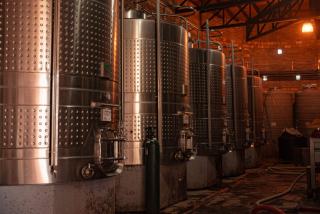
The producer, on the other hand, keeps its bottles under crown cap in stable conditions deep in the chalk, at a constant temperature, with the lees still in contact with the wine. It can also taste regularly and choose the moment of disgorgement for each lot. Some houses disgorge the same vintage in several waves, so one champagne exists in three or four versions, each with a different time on the lees and a different disgorgement date.
A simple example shows the gap. Imagine two bottles of a 2008 vintage. The first was disgorged in 2016 and kept at home: it has eight years on the lees and about ten years under cork. The second was disgorged in 2025 for a late release: it has seventeen years on the lees and a few months under cork. Same vineyard, same base wine, same blend, and yet the second will usually look paler, fizz more finely and finish with more tension. That is the whole argument for buying late disgorged champagne rather than trying to age a standard release yourself.
Grape, blend and the styles that suit a long time on the lees
Not every champagne gains from extended aging on its yeast. The wines chosen for late release are usually vintage champagnes from strong years, with high acidity and enough structure to support two decades of autolysis. Pinot noir brings body and red fruit, chardonnay brings tension and citrus, and a touch of pinot meunier can add roundness. A blanc de blancs from grand cru chardonnay villages often turns creamy and smoky with time on the lees; a blanc de noirs or a pinot noir led blend picks up depth and spice.
Rose is less common in late disgorged form, but some houses release library rose wines that show how red fruit turns towards forest floor and dried rose petals. The same logic applies well beyond the region: a fine Bordeaux red wine or a single vineyard such as Krug Clos du Mesnil is matured with patience because the estate, not the buyer, controls the ideal conditions. In Champagne winemaking, extended time on the lees is the tool that turns a youthful, toasty vintage into a deep, layered one, with orange peel, lemon and toasted almond on the finish. For a reminder of what each grape brings to the blend, see our page on the champagne grape varieties behind every blend.
How to choose a late disgorged champagne
A few simple checks help when you shop or read a wine list:
- Find the disgorgement date. It is often on the back label or laser printed on the glass. The gap between the vintage year and the disgorgement date tells you how long the wine stayed on its lees.
- Look at the dosage. Long lees contact gives richness, so many late releases use extra brut or low dosage. If you prefer a softer style, pick one with a higher dosage; our guide to champagne dosage and how sweet your bottle is explains the terms on the label.
- Know the producer's house style. A Bollinger R.D. is powerful and pinot led; a Charles Heidsieck library release is creamy and generous; a Krug Collection wine tastes of reserve wines and oak. Pick the style you already like.
- Drink it fairly soon. The wine was released to be enjoyed near its disgorgement date. Once disgorged, it starts ageing under cork like any other bottle.
Many houses run tasting events and cellar visit programmes where you can taste an original release next to a late disgorged version. A visit to Reims or Epernay is the easiest way to see the difference in the glass; check each house's visit page, booking terms and conditions before you travel, as places for these tasting events are limited.
Serving and food pairing
Serve a late disgorged champagne a little warmer than a young brut, around 10 to 12 degrees Celsius, in a white wine glass rather than a narrow flute, so the aromas can open. Decanting is a matter of taste: some sommeliers do it gently to let a very old wine breathe, most simply open the bottle a few minutes early.
The richness of these wines calls for food with some depth. Aged comte, roast chicken with morels, lobster in butter, turbot, veal with cream sauce and mushroom dishes all work. Keep sweet desserts away: the low dosage will taste harsh next to sugar. A late disgorged wine is also a fine match for a long evening of tasting notes and conversation, since it keeps changing in the glass over an hour or more.
The first release and the later version: a comparison worth making
Few experiences explain champagne production better than tasting the original release of a vintage next to its late disgorged version. Both come from the same base wine and the same blend; the only variable is the time on the lees and the date of disgorgement. The first shows fruit, freshness and a firmer mousse. The later version shows a creamy texture, toasted notes, a longer finish and, surprisingly, often a brighter colour than a bottle of the first release kept for the same time at home.
That contrast is also a good lesson for anyone who collects vintage champagne. It shows that the date of disgorgement matters as much as the vintage, and that the cellar of the producer offers conditions no private cellar can copy while the yeast is still in the bottle. When you see "late disgorged" or a recent disgorgement date on a mature vintage, you are buying time in the producer's cellar, and time is the one thing that cannot be added later.