The best champagne is the one whose style fits your taste: brut, extra brut, blanc de blancs, rosé or vintage champagne. Among the best champagne brands, Louis Roederer, Ruinart, Veuve Clicquot, Laurent-Perrier and Pol Roger lead the great champagne houses of Reims and Épernay, while grower producers offer champagne wine with more terroir. Learn the styles, the houses and how to read champagne tasting notes to buy the best champagne for every occasion.
The short answer. For an apéritif, the best champagne is a blanc de blancs champagne or an extra brut. For dinner, a vintage champagne or a blanc de noirs wine has the body to follow food. For a gift, a prestige champagne from Louis Roederer, Ruinart, Veuve Clicquot, Pol Roger or Laurent-Perrier rarely disappoints. For discovery, learn a few grower champagne producers: their brut champagne is the most personal wine of the Champagne region.
What makes champagne different from other sparkling wine?
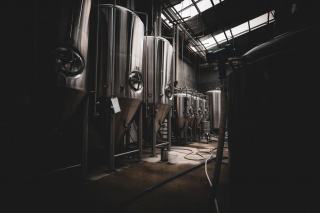
Champagne is a sparkling wine, but not every sparkling wine is champagne. The name is protected: only wine grown and made inside the Champagne AOC, a delimited area of roughly 34,000 hectares in north-east France, may carry it. Everything else, however good, is sparkling wine, crémant, cava or prosecco. The fine bubbles in this wine come from a second fermentation that takes place inside the bottle you eventually open, a technique known as the traditional method, or méthode champenoise.
After that second fermentation, the wine rests on its lees, the spent yeast cells. The rules require at least 15 months in the cellar for a non-vintage brut, including 12 months on the lees, and at least three years for a vintage champagne. The best houses often wait far longer. Those years give champagne its signature aromas: brioche, toasted almonds, hazelnut and, with age, honey and mushroom. The differences between champagne and other sparkling wines come down to this patience as much as to the chalky soil.
Three grape varieties dominate. Chardonnay gives freshness, citrus and finesse. Pinot noir brings structure, red fruit and length. Pinot meunier adds supple, fruity roundness and ages faster. Most champagne houses blend all three, and the proportions define a house style as surely as a signature.
The main champagne styles, from brut nature to rosé
Before you compare brands, learn the vocabulary on the label. Style tells you more about what is in the glass than the name of the producer does.
Non-vintage and vintage champagne
Non-vintage champagne, often labelled brut reserve or simply brut, blends several harvests with reserve wines kept from earlier years. The aim is consistency: a Veuve Clicquot Yellow Label or a Piper-Heidsieck brut should taste the same from one year to the next. Vintage champagne, by contrast, comes from a single exceptional year, such as 2008, 2012 or 2015, and expresses that harvest. It is richer, more complex and built to age for a decade or more.
Blanc de blancs and blanc de noirs
Blanc de blancs champagne uses only white grapes, almost always chardonnay, often from the Côte des Blancs south of Épernay. It is taut, mineral and elegant, the ideal aperitif. Ruinart Blanc de Blancs is the reference many drinkers learn first. Blanc de noirs, a white wine made from red grapes, relies on pinot noir and pinot meunier for depth and a broader, fruitier palate that stands up to food.
Rosé champagne
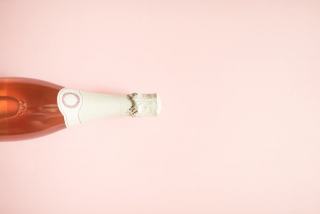
Rosé champagne is usually made by blending a little still red wine into the white base, a practice almost unique to the region. Some houses, Laurent-Perrier first among them, use maceration instead, letting the juice take colour from the skins. Brut rose wines range from delicate salmon hues to deep strawberry, and they pair with a wider range of dishes than most people expect.
Prestige cuvées
At the top of each range sits the prestige cuvée: Dom Perignon for Moët & Chandon, Cristal for Louis Roederer, La Grande Dame for Veuve Clicquot, Grand Siècle for Laurent-Perrier, Sir Winston Churchill for Pol Roger, Dom Ruinart for maison Ruinart. These wines draw on the best grand cru vineyards and years of ageing. They are the bottles most often quoted when people ask which is the best champagne overall. Only a small share of each house's production goes into them, and they are released only in years the cellar master judges worthy, which explains both their rarity and their reputation among collectors.
Sweetness levels: reading brut, extra brut and brut nature
The word on the label that matters most for taste is the dosage, the small amount of sugar added after the lees are removed. Most champagne sold today is brut, but drier and sweeter styles exist, and each suits a different moment.
| Label term | Sugar per litre | Best moment |
|---|---|---|
| Brut nature (zero dosage) | under 3 g | oysters, sushi, purists |
| Extra brut | 0 to 6 g | aperitif, shellfish |
| Brut | under 12 g | every occasion |
| Extra dry | 12 to 17 g | spiced dishes, brunch |
| Sec | 17 to 32 g | fruit tarts, foie gras |
| Demi-sec | 32 to 50 g | desserts, blue cheese |
| Doux | over 50 g | rare today, sweet pastries |
A good rule: the drier the champagne, the better the grapes need to be, because there is no sugar to round off hard edges. That is why many top producers now favour extra brut, and why a well-made brut nature can be thrilling while a poor one is simply sharp. If you are unsure, brut champagne remains the safest choice for a group.
The best champagne houses and their signature bottles
Around 300 houses, or maisons, sell the majority of champagne worldwide. Shipments reached about 271 million bottles in 2024, according to the Comité Champagne, the region's trade body. A handful of names dominate wine lists and the reviews of critics. Here are the best champagne brands to know, and what each does best.
Ruinart, the oldest house
Founded in Reims in 1729, maison Ruinart is the oldest established champagne house. Its chalk cellars, the crayères, are classified as a UNESCO World Heritage site along with the rest of the hillsides, houses and cellars of Champagne. Ruinart is a chardonnay house: champagne Ruinart Blanc de Blancs, with its gold in the glass and notes of lemon and white flowers, is its best-known cuvée, and Ruinart Rosé follows the same fresh, precise line. Dom Ruinart is its vintage prestige cuvée.
Louis Roederer
Louis Roederer remains family owned and farms most of the grapes it needs, a rarity among large houses. Its Cristal was first created in 1876 for Tsar Alexander II of Russia and is still one of the most sought-after prestige champagnes. Louis Roederer also makes Collection, a multi-vintage brut built on reserve wines, and a vintage Blanc de Blancs. Louis Roederer is increasingly admired for its organic and biodynamic vineyards, many of them grand cru.
Veuve Clicquot
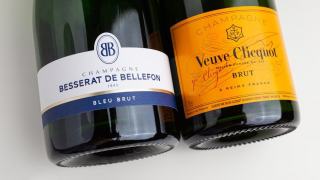
Veuve Clicquot Ponsardin owes its name to Barbe-Nicole Ponsardin, better known as Madame Clicquot, who took over the house after her husband died in 1805. She is credited with the riddling table, which clarifies the wine, and with the first known blended rosé champagne, in 1818. The Veuve Clicquot yellow label brut is one of the most recognisable bottles in the world; La Grande Dame is the house's tribute to her.
Laurent-Perrier
Laurent-Perrier, based in Tours-sur-Marne, built its reputation on two bold choices: a rosé made by maceration, launched in 1968, and Grand Siècle, a prestige cuvée blended from three great years rather than one. Its brut is light and fresh, and Laurent-Perrier Ultra Brut was one of the first zero-dosage wines sold widely.
Pol Roger, Bollinger and the Heidsiecks
Pol Roger, in Épernay, is a family house famous for its fine bubbles and for Winston Churchill, its most loyal customer; its Cuvée Sir Winston Churchill honours him. Bollinger, in Aÿ, ferments much of its wine in oak and favours pinot noir, giving powerful, vinous champagnes. Charles Heidsieck makes one of the most complex non-vintage bruts on the market, while Piper-Heidsieck offers a lively, fruit-forward style that works well for parties. Moet Chandon, the largest house, and its Dom Perignon complete the picture.
Other names worth knowing
Bruno Paillard, founded in 1981 in Reims, makes precise, low-dosage wines and prints the disgorgement date on each bottle. Henri Giraud, in Aÿ, ages its wines in oak from the Argonne forest. Leclerc Briant, in Épernay, is a pioneer of biodynamic farming. Armand de Brignac, the Ace of Spades bottle made by the Cattier family, is chosen more for its gold finish than for its tasting notes. For a full tour of the great names you should know, see our dedicated guide.
Family houses that deserve more attention
Some of the most rewarding bottles come from mid-sized family houses that spend little on advertising. Drappier, based in Urville in the Côte des Bar, is run by the same family since 1808 and is known for low-sulphur, low-dosage wines with a generous pinot noir character. Drappier Brut Nature, made from pinot noir alone, is a benchmark of the zero-dosage style, and Drappier also bottles large formats up to the melchizedek. Its Carte d'Or brut offers a ripe flavor profile of pear, quince and spice that many tasters find delicious.
Deutz, in Aÿ, produces a refined brut classic and a prestige cuvée, Amour de Deutz, made only from chardonnay. Billecart-Salmon, in Mareuil-sur-Aÿ, is loved by sommeliers for its pale, delicate Brut Rosé and its long, cool fermentations that keep aromas precise. Delamotte, the sister house of Salon in Le Mesnil-sur-Oger, is a chardonnay specialist whose Blanc de Blancs is one of the quality bargains of the region. Barons de Rothschild, a more recent name created by the three branches of the Rothschild family, focuses on chardonnay-led cuvées with long ageing.
These houses provide a wide range of styles, from bone-dry to generous, and they are often easier to find in independent wine shops than in supermarkets. When you want to discover something beyond the famous labels without taking a risk, they are an excellent place to start.
Rosé: blending or saignée?
Two methods produce pink champagne. Blending, the most common, adds a small share of still red wine from the region to the white base, which gives a consistent, pale color and fresh red fruit. Saignée, or maceration, leaves the pressed juice in contact with the black grape skins for a few hours or days, extracting deeper color, more tannin and a vinous, gastronomic style. Laurent-Perrier Cuvée Rosé is the best known saignée rosé; Billecart-Salmon and Ruinart Rosé show how elegant the blended style can be. A saignée rosé is a beautiful match for duck, lamb or red berry desserts, while a pale blended rosé is more at home as an aperitif.
Grower champagne: the other side of the region
Large houses buy most of their grapes. Grower producers, by contrast, make champagne from their own vineyards. You can spot them by the small letters RM (récoltant-manipulant) on the label, where a big house carries NM (négociant-manipulant). Grower champagnes tend to express a single village or even a single plot, and they are often better value than bottles from famous brands.
The best growers are found in the villages of the Montagne de Reims, such as Ambonnay, Bouzy and Verzenay for pinot noir, and in the Côte des Blancs, such as Cramant, Avize and Le Mesnil-sur-Oger for chardonnay. Their wines vary more from year to year, which is part of the pleasure. When champagne experts talk about the most exciting wines of the region, they usually mean these producers.
A champagne premier cru or champagne grand cru mention refers to the village rating of the vineyards, not to the producer. Seventeen villages hold grand cru status. The mention guarantees good grapes, not necessarily a great wine: the skill of the winemaker still counts.
Which champagne is best for every occasion?
Matching the bottle to the moment is the surest way to choose well. Our expert picks below come from repeated tasting rather than from marketing, and they cover styles rather than prices, since the same bottle can cost very different amounts from one shop to the next.
| Occasion | Style to choose | Bottles to consider |
|---|---|---|
| Aperitif with friends | Blanc de blancs, extra brut | Ruinart Blanc de Blancs, Bruno Paillard Première Cuvée |
| Large party | Non-vintage brut | Piper-Heidsieck brut, Veuve Clicquot Yellow Label |
| Dinner with food | Blanc de noirs, vintage | Bollinger Special Cuvée, Charles Heidsieck Brut Réserve |
| Romantic evening | Rosé champagne | Laurent-Perrier Cuvée Rosé, Ruinart Rosé |
| Wedding or milestone | Prestige cuvée | Louis Roederer Cristal, Pol Roger Sir Winston Churchill, Dom Perignon |
| Curious drinkers | Grower champagne | An RM bottle from Ambonnay or Le Mesnil-sur-Oger |
For weddings and celebrations, count on roughly six glasses per standard bottle and choose a champagne that most guests will enjoy: a balanced brut rather than an austere brut nature. For a sit-down dinner, one vintage bottle served with the main course leaves a stronger memory than several glasses of a simple brut.
How to choose the best champagne to buy
A few simple checks turn a guess into a good choice. This short buyer's guide gathers the champagne selection tips professionals use when they build a wine list.
- Start with the style, not the brand. Decide between light and fresh (blanc de blancs, extra brut) or rich and vinous (blanc de noirs, vintage). Your champagne preferences matter more than any ranking.
- Read the small letters. NM for a house, RM for a grower, CM for a cooperative. Cooperatives, such as the one behind Nicolas Feuillatte, can offer reliable wines at gentle prices.
- Look for the disgorgement date. More producers now print it. A brut disgorged one to three years ago is usually at its best.
- Check the reviews. Scores from critics and user reviews on specialist shops help, as long as you compare the same cuvée and year.
- Consider the bottle size. A magnum ages more slowly and gracefully than a standard bottle, which is why collectors prefer it.
Budget still matters. Excellent champagne exists well below the prestige tier, and our selection of quality bubbles on a modest budget proves that a well-chosen grower or cooperative cuvée can beat a famous label.
Where to buy champagne online and in shops
Specialist wine merchants remain the best place to buy champagne, because they store bottles lying down, away from light, and can give expert advice. Supermarkets sell the major brands at competitive prices but rarely stock grower wines, and bottles may stand upright under bright lights for months.
To buy champagne online, choose a shop that states how it stores its wine, gives the cuvée and disgorgement details, and ships in protective packaging. Champagne delivery in hot weather deserves care: heat damages the wine faster than any other factor. Many merchants also sell a champagne gift card, a practical option when you do not know the recipient's taste. If you travel to the region, the houses of Reims and the Avenue de Champagne in Épernay sell their full range at the cellar door, including cuvées rarely exported.
Champagne houses to visit in Reims and Épernay
Visiting the region is the best way to learn how champagne is made. In Reims, the chalk cellars of Ruinart, Veuve Clicquot, Taittinger and Pommery are open to visitors by reservation, and some date back to Gallo-Roman quarries. Reims champagne houses cluster around the Saint-Nicaise hill, which UNESCO lists for its cellars.
Epernay champagne houses line the Avenue de Champagne, where Moët & Chandon, Pol Roger, Perrier-Jouët and Leclerc Briant sit a few minutes apart. Beyond the towns, the villages of the Montagne de Reims and the Côte des Blancs welcome visitors to grower estates, often with the winemaker in person. A visit in September lets you watch the harvest, which is still done entirely by hand across the appellation.
Serving and tasting champagne like an expert
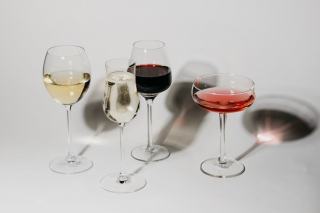
Serve non-vintage champagne at 8 to 10°C and vintage or prestige champagne slightly warmer, around 10 to 12°C, to let the aromas open. A tulip-shaped white wine glass shows the wine far better than a narrow flute, and far better than a wide coupe, which lets the bubbles escape.
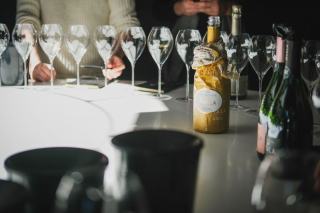
When tasting, look first at the colour and the bubbles: fine, persistent bubbles signal long ageing. Then smell: citrus and white flowers for chardonnay, red fruit for pinot noir, brioche and toast for long ageing on the lees. Finally taste, paying attention to the acidity, the texture of the mousse and the length of the finish. Writing a few champagne tasting notes after each bottle is the fastest way to discover which style you truly enjoy.
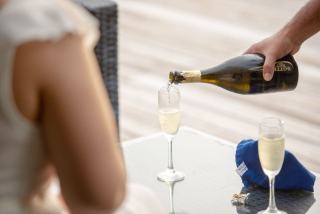
Pour slowly, tilting the glass, and fill it no more than two thirds, so the wine has room to release its aromas. Once opened, a bottle keeps its bubbles for a day or two in the fridge with a hermetic stopper. Drink responsibly: champagne is a wine like any other, and moderate drinking protects your health as well as your palate. A glass of water between each glass helps you enjoy the experience over time and appreciate the quality of each cuvée.
A short history of champagne in five dates
- 1668: the monk Dom Pierre Pérignon becomes cellar master at the abbey of Hautvillers and works on blending and pressing.
- 1729: Nicolas Ruinart founds the first champagne house in Reims.
- 1816: Madame Clicquot develops the riddling table, making clear champagne possible.
- 19th century: the great houses conquer Europe and Russia; Louis Roederer creates Cristal in 1876.
- 2015: UNESCO lists the Champagne hillsides, houses and cellars as World Heritage.
Gift brands, sweetness and how long champagne keeps
What is the best champagne in the world?
There is no official ranking. Prestige cuvées such as Louis Roederer Cristal, Krug Grande Cuvée, Dom Perignon and Pol Roger Sir Winston Churchill regularly top critics' lists, but the best champagne for you is the style you enjoy most.
Which champagne brand is best for a gift?
A recognisable house is a safe gift idea: Ruinart Blanc de Blancs, Veuve Clicquot La Grande Dame or Laurent-Perrier Cuvée Rosé. For a wine lover, a vintage bottle or a grower champagne shows more personal attention.
Is brut champagne sweet?
No. Brut champagne contains under 12 grams of sugar per litre, which tastes dry. Extra brut and brut nature are drier still, while demi-sec and doux are clearly sweet.
How long does champagne keep?
Most non-vintage brut is best within three to four years of purchase. Vintage champagne and prestige cuvées can age for ten to twenty years in a cool, dark cellar, lying on their side.