Champagne is a sparkling wine that can only come from the Champagne region of France, made from specific grapes such as Chardonnay, Pinot Noir and Pinot Meunier, and given its bubbles by a secondary fermentation in the bottle. So all champagne is sparkling wine, but not all sparkling wine is champagne: the name is a protected wine style, not a synonym for bubbles.
- Place
- The term champagne is reserved by law to wine produced in the delimited appellation east of Paris.
- Grapes
- Three varieties make almost every cuvée; other regions use their own grapes.
- Method
- Champagne always gets its bubbles from a second fermentation under cork; many other sparkling wines take a faster route.
Is all sparkling wine champagne?
No. Sparkling wine is the family name for any wine that holds dissolved carbon dioxide, whether it comes from England, Spain, Italy, California or the Loire. Champagne is one member of that family, defined by an appellation (AOC) that fixes the area, the permitted grape varieties, pruning, yields, pressing and the production method. A bottle made with exactly the same technique ten kilometres outside the boundary cannot carry the name.
The protection is enforced well beyond France. The European Union treats champagne as a protected designation of origin, and trade agreements extend that shield to many other markets, which is why producers elsewhere sell under names like Franciacorta, sekt or vin effervescent. A few old American labels still print "champagne" under a grandfather clause, but no new brand can register it. When people say they are pouring "champagne" at a party and the bottle is a prosecco, they are using the word loosely, not legally.
The practical consequence for a buyer: the label tells you the rules the producer followed. "Champagne" guarantees a set of minimums on place, grape and ageing. "Sparkling wine" alone guarantees very little, and the range underneath it is enormous, from industrial fizz to bottles that rival the best houses.
Which grapes go into champagne, and which into other sparkling wines?
Three grape varieties cover almost the whole Champagne vineyard. Pinot Noir brings body, red fruit and structure; Chardonnay brings finesse, citrus and the capacity to age; Pinot Meunier adds a fleshy, fruity roundness that makes young blends approachable. Four minor varieties are still allowed, Pinot Blanc, Pinot Gris (called Fromenteau locally), Arbane and Petit Meslier, but together they account for a fraction of a percent of plantings. A blanc de blancs uses white grapes only; a blanc de noirs uses only the black ones, pressed gently so the juice stays white with minimal skin contact.
Other sparkling wines follow their own regional grapes. Prosecco relies on Glera, an aromatic white variety with pear and apple notes. Spanish cava is built on Macabeo, Xarel·lo and Parellada. Crémant d'Alsace often uses Pinot Blanc and Auxerrois, while crémant de Loire leans on Chenin Blanc. English sparkling wine, grown on chalk not far from the Champagne soils, uses the same classic trio of varietals, which is why it is the closest stylistic cousin today. You can explore how the villages and sub-regions of the appellation shape each grape before comparing them with those from elsewhere.
How is champagne made compared with other sparkling wine?
Every sparkling wine starts as a still base wine. The difference lies in how the second fermentation, the one that creates the bubbles, is carried out and how long the wine then rests.
The traditional method
Champagne uses the traditional method, also called méthode champenoise. The base wines, often a blend of several vintages and villages, are bottled with a small dose of sugar and yeast (the liqueur de tirage). The secondary fermentation takes place inside the sealed glass, producing alcohol and carbon dioxide that stays dissolved. The dead yeast cells, the lees, then remain in contact with the wine for a minimum of 15 months for non-vintage champagne and 3 years for a vintage bottle. This long lees contact releases the autolytic notes of toast, nuts and brioche. The bottles are then riddled so the sediment collects in the neck, disgorged, topped up with the dosage and corked. Our page on each step of the méthode champenoise follows the process from press to cork.
Tank, transfer and ancestral methods
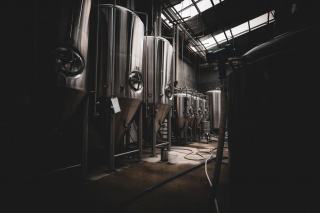
The tank method, known as the Charmat method, runs the secondary fermentation in large pressurised steel tanks. The wine is filtered and bottled under pressure after a few weeks. It is fast and keeps the fresh primary fruit of aromatic grapes intact, which is why most prosecco is made this way. The transfer method ferments in the bottle, then empties the bottles into a tank to filter the wine before rebottling, a shortcut for large formats. The ancestral method, used for pétillant naturel, bottles the wine before the first fermentation has finished, so there is only one fermentation and often a little cloudiness.
Franciacorta and most English sparkling wine also ferment in the bottle, and the aging requirements of the appellation are among the strictest anywhere. What they cannot reproduce is the combination of the Champagne climate, chalk subsoil and the reserve wines that houses keep for decades.
| Wine | Origin | Main grape varieties | Production method | Flavour profile |
|---|---|---|---|---|
| Champagne | Champagne, France | Chardonnay, Pinot Noir, Pinot Meunier | Traditional, 15 months on lees minimum | Citrus, toast, brioche, fine mousse |
| Prosecco | Veneto and Friuli, Italy | Glera | Tank (Charmat) | Pear, apple, white flowers, light bubbles |
| Cava | Mostly Penedès, Spain | Macabeo, Xarel·lo, Parellada | In bottle, 9 months minimum | Dry, earthy, lemon and almond |
| Crémant | Alsace, Loire, Burgundy and other French regions | Regional: Chenin, Auxerrois, Riesling | In bottle, 9 months minimum | Fruit forward, creamy, softer acidity |
| English sparkling | Southern England | Same three as Champagne | Mostly in bottle | High acidity, green apple, toast with age |
What does champagne taste like next to other bubbles?
A young non-vintage brut champagne usually shows lemon, green apple and white peach, lifted by high acidity from the cool northern climate, with a layer of toast and pastry from lees ageing. The bubbles are small and persistent, forming a creamy mousse rather than a big fizz. Bubble size is a characteristic you can see: a champagne bubble is finer because the wine sits under about six atmospheres of pressure and rests for years, while a vat-made bubble is larger and fades sooner in the glass. At a tasting, watch the bead: a steady, thin line of bubbles usually signals long aging and a more complex flavor. With age, and especially in a vintage champagne from a strong year, the fruit turns to baked apple, honey, hazelnut and mushroom.
Prosecco tastes of its grape rather than its method: fresh pear, melon and flowers, with softer, larger bubbles and less complexity. It is designed to be drunk young, a refreshing sip where fruitiness matters more than any bubble texture. Cava tends to be drier and more savoury, sometimes a little rustic. Crémant sits between the two, with more fruit than champagne and a gentler structure. Good English sparkling wine can be sharper and leaner than champagne, which suits oysters and fried food. None of these is simply a lower quality version of champagne; each follows a different idea of what a sparkling wine should taste like.
Why is champagne usually more expensive?
The price gap has concrete causes. Grapes in Champagne are among the most costly in any wine region, because land is scarce and the appellation caps yields. Hand harvesting is compulsory, since whole bunches must reach the press intact. The long ageing ties up cellars and capital for years, and houses hold large stocks of reserve wine to keep a consistent style. Riddling, disgorging and dosage add labour that a tank-method producer skips. Finally, the famous names such as Moët & Chandon, Veuve Clicquot or Dom Pérignon spend heavily on marketing, which is built into the bottle. A comparison of the big houses and grower producers shows how widely value varies inside the appellation itself.
This does not mean that a higher price always buys better quality. A careful crémant or a Spanish grower can outclass an ordinary supermarket champagne, and the best way to judge is side by side, blind if possible.
A buyer's angle nobody mentions: read the back label
Most comparisons stop at region and method, yet the back label often tells you more about the wine in the glass than the front. On champagne, look for the disgorgement date, which reveals how long the bottle rested after its lees were removed, and for the code RM (récoltant-manipulant) for a grower who makes wine from their own vines. On other sparkling wines, the words "bottle fermented" or "méthode traditionnelle" tell you the bubbles were created under cork; their absence typically means a steel vat. The dosage term, from brut nature to demi-sec, applies to both and indicates sweetness. Checking these three details takes ten seconds and removes most of the guesswork from a shop shelf.
How to choose between champagne and sparkling wine
Match the bottle to the occasion rather than to the name. For a toast, a special dinner or a gift, champagne brings the depth, persistence and sense of occasion that its reputation promises. For a spritz, a brunch or everyday drinking, a prosecco or crémant is ideal: fresher, easier and gentler on the budget. For food, think structure: the acidity and toasty notes of champagne handle fried dishes, shellfish and hard cheeses, while fruity prosecco suits light starters and cocktails. If you want champagne style without the champagne label, a bottle-fermented English wine or a well-aged crémant is the closest match, and the guide to finding the best champagne for you helps narrow the choice once you settle on the real thing.
Questions people ask about champagne and sparkling wine
What is the main difference between champagne and sparkling wine?
Champagne comes only from the Champagne region of France and must use the traditional method with specific grapes and minimum lees ageing. Sparkling wine is the general category and can come from anywhere, made by any method.
Is prosecco a type of champagne?
Prosecco is an Italian sparkling wine made mostly from Glera grapes by the tank method. It is not champagne, and it tastes fruitier and lighter.
Can a sparkling wine be as good as champagne?
Some can. Top English sparkling wine, Franciacorta and carefully aged crémant, all fermented in bottle, reach a level that competes with many champagnes, even if the chalk and climate of Champagne give its wines a character of their own.