While most non-vintage Champagne is ready to drink on release, vintage and prestige cuvees reward patience. Five to ten years of extra ageing develops toasty, nutty and honey-like complexity. Store bottles on their side at a constant 10 to 12 degrees. Avoid light and vibration. The reward is a Champagne of remarkable depth and nuance.
Ageing Champagne: When to Drink and When to Wait
Published on – Updated on

Latest articles
 Champagne Houses: The Great Names You Should KnowMarch 2, 2026
 Brut Champagne: The Most Popular Style ExplainedMarch 1, 2026
 Rose Champagne: The Art of Pink Sparkling WineFebruary 28, 2026
 Vintage Champagne: When Great Years Become Exceptional BottlesFebruary 27, 2026
Articles you might like
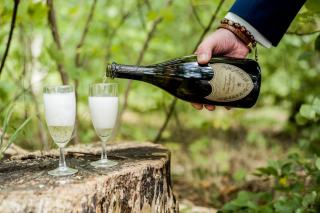 Champagne Food Pairings: Beyond the AperitifFebruary 20, 2026
 Grower Champagne: Artisanal Bottles from Small ProducersFebruary 23, 2026
 Champagne Investment: Bottles That Appreciate in ValueFebruary 12, 2026
 History of Champagne: From Monks to Global IconFebruary 11, 2026